We must explain to you how all seds this mistakens idea off denouncing pleasures and praising pain was born and I will give you a completed accounts off the system and expound the actually teaching.


Contact Info
-
Address
E Bowen Ave Chicago, IL 60653
-
Phone
-
Email
© K9 Lovers LLC 2025, All Rights Reserved.
Business
Why Does My Dog Hate Grooming? Common Reasons and What Helps
If your dog shakes, pulls away, growls, or completely shuts down during grooming, it can feel stressful and honestly a little heartbreaking.
Many dog owners quietly wonder,
“Am I doing something wrong?”
“Is my dog being difficult?”
The truth is, most dogs don’t hate grooming itself. What they react to is how grooming feels to them.
Once you understand what’s going on from your dog’s side, the situation starts to make a lot more sense.
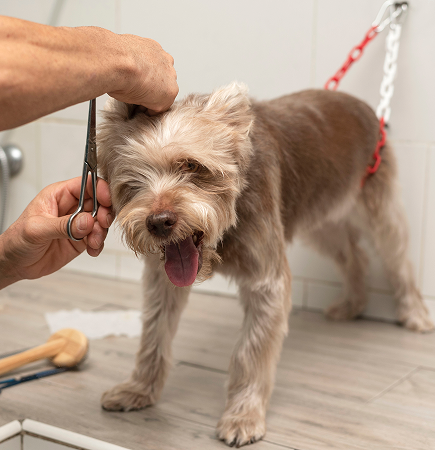
First, This Is More Common Than You Think
You’re not alone.
Many dogs struggle with grooming at some point, even those that are sweet, gentle, and well behaved at home. Grooming asks dogs to stay still, be touched in sensitive areas, and trust someone in a setting that often feels unfamiliar.
That’s a lot to ask, especially if the experience hasn’t always been calm or positive.
Common Reasons Dogs Dislike Grooming
1. Loud noises can feel scary
Dryers, clippers, and running water may not seem like a big deal to us, but dogs hear things much more sharply.
What sounds normal to you can feel overwhelming to them. Over time, dogs may start associating grooming with stress just because of the noise alone.
2. Past experiences matter more than we realize
Dogs remember how things made them feel.
If your dog was ever rushed, handled roughly, or felt scared during a past grooming session, that memory can stick. Even one uncomfortable experience can shape how they react next time.
This doesn’t mean the groomer was careless. Sometimes it’s simply a mismatch between the dog’s needs and the environment.
3. Sensitive areas make dogs uneasy
Grooming involves touching paws, ears, face, belly, and tail. These are areas many dogs naturally protect.
If a dog already feels unsure, being handled in these spots can push them into panic mode, even if no pain is involved.
4. Separation from you can be stressful
Some dogs feel safest when their owner is nearby.
Being dropped off, surrounded by new smells, sounds, and people, can cause anxiety. That anxiety often shows up as resistance or fear during grooming.
5. Mats and skin issues can cause discomfort
When fur becomes matted or skin is irritated, grooming can hurt.
Dogs may react before the groomer even reaches the sore area because they already expect discomfort. This is one reason regular grooming is so important.
Signs Your Dog Is Stressed During Grooming
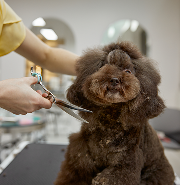
Dogs don’t always bark or growl when they’re uncomfortable. Some signs are quieter and easier to miss.
Watch for:
- Shaking or trembling
- Heavy panting
- Freezing in place
- Turning the head away
- Tucked tail
These are signs your dog is asking for patience, not punishment.
What Actually Helps Dogs Feel Better About Grooming
A calmer environment
Many dogs respond better when grooming happens in a quieter space with fewer distractions. Less noise and fewer unfamiliar smells can lower stress almost immediately.
One on one attention
Dogs that struggle with grooming often do better when the groomer focuses on them alone. A slower pace and gentle handling help rebuild trust over time.
Familiar surroundings
Being close to home can be comforting. Dogs feel safer when they recognize their environment, even if grooming still feels new.
This is why many anxious dogs respond well to mobile grooming.
Consistency and patience
Grooming doesn’t improve overnight for every dog.
Short, calm sessions done regularly are more helpful than long, stressful ones spaced far apart. Trust builds step by step.
What’s Usually Included in a Grooming Appointment?
Most full grooming sessions include:
- Bath and shampoo
- Drying
- Brushing
- Nail trimming
- Ear cleaning
- Light trimming or styling
Special requests or additional care may add to the price.
It’s always a good idea to ask what’s included before booking so there are no surprises.
How You Can Help at Home
You play a bigger role than you might think.
Simple things make a difference:
- Gently touch paws and ears during calm moments
- Brush lightly between grooming visits
- Stay relaxed yourself, dogs sense tension
- Avoid scolding fearful behavior
Your calm energy helps your dog feel safe.
Why Mobile Grooming Helps Many Anxious Dogs
Mobile grooming removes many of the triggers that cause stress.
There’s no car ride, no waiting room, and no other dogs nearby. The groomer comes to your space, works one on one, and moves at your dog’s pace.
For many dogs, this change alone turns grooming from a fight into something manageable.
When Extra Support Is Needed
If your dog shows intense fear or aggression during grooming, it’s important to talk openly with your groomer and, if needed, your vet.
Some dogs need:
- Shorter sessions
- More frequent visits
- Medical input for pain or anxiety
Asking for help doesn’t mean you failed. It means you’re listening to your dog.
Final Thoughts
Dogs don’t dislike grooming to be difficult. They react because something about the experience feels unsafe or uncomfortable to them.
With the right environment, patience, and approach, many dogs learn to tolerate grooming and some even begin to enjoy parts of it.
The goal isn’t perfection. It’s progress.
When grooming feels calm and respectful, dogs notice. And when dogs feel safe, everything changes.
About Me

Michelle Halbert
She is the founder of K9 Lovers and an experienced pet care specialist passionate about gentle grooming, training, and animal wellness. Her work focuses on building trust, comfort, and healthy routines for pets of all ages.
Popular Feeds

Why Does My Dog Hate Grooming? Common Reasons and What Helps
December 18, 2025

How Much Does Dog Grooming Cost? What Affects the Price
December 18, 2025

Is Mobile Dog Grooming Better Than a Grooming Salon? Pros and Cons
December 18, 2025
